01
Initial Consultation
Discuss goals, site history, and desired outcomes for forest planning.

Collaborative forest planning is a structured, goal-oriented framework in which stakeholders work together to define management objectives. The process is grounded in site-specific assessment and ongoing monitoring, acknowledging that outcomes depend on variable ecological conditions over time. This method supports transparent decision-making without guaranteeing specific results from any particular plan.
Discuss goals, site history, and desired outcomes for forest planning.
Assess soil, climate, existing vegetation, and ecological conditions on location.
Develop a tailored strategy including species selection and planting layout.
Implement the plan and monitor growth, adapting methods as environmental factors change.
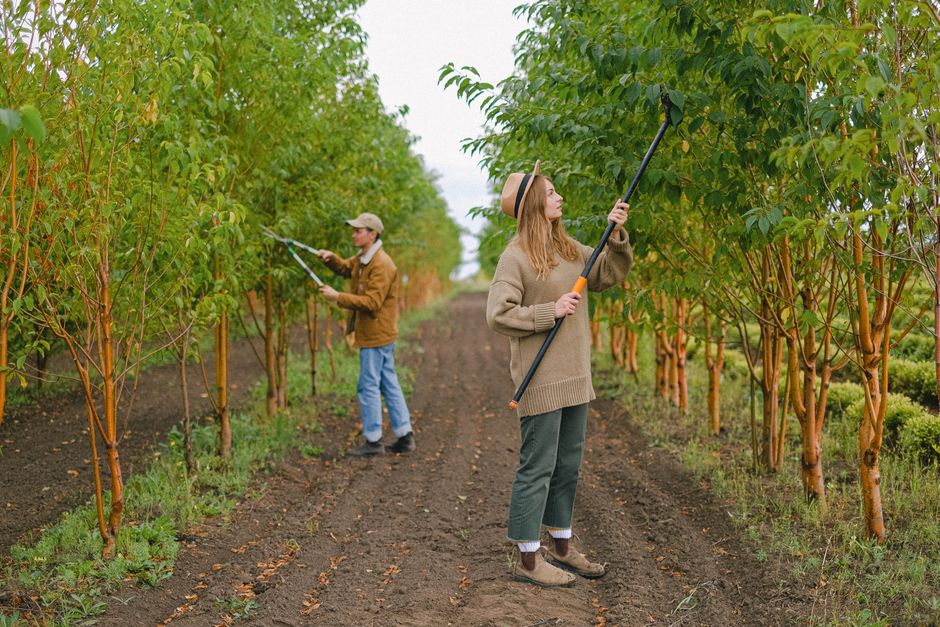
The collaborative process begins by defining objectives, such as timber production or habitat restoration. Species selection then considers soil type, climate, and native biodiversity, using local ecological surveys as a guide. Site preparation may involve controlling competing vegetation or mechanical cultivation, depending on terrain and regulations. Planting techniques range from hand-planting to mechanised methods, with spacing and timing adjusted to typical seasonal patterns. Ongoing maintenance includes monitoring for pests, managing invasive species, and thinning where appropriate. Each stage requires professional advice, because factors like weather variability, local regulations, and long-term site dynamics affect outcomes. This method focuses on adaptive management, not guaranteed success. Collaborative review ensures strategies remain aligned with landowner goals and ecological conditions.
GreenSilva facilitates collaborative forest management through planning, planting, and maintenance services shaped around each client's objectives. The approach is structured and transparent: initial site assessment and goal-setting inform an agreed plan; implementation follows that plan with clear stages; and ongoing maintenance is adapted as conditions evolve. Throughout, we share information and keep decisions documented so clients understand how activities are sequenced and why. Because woodland systems depend on many external factors, local context and professional judgement remain central to every collaboration.
Subscribe for updates on woodland management, native tree species and practical guidance for restoring natural habitats. New articles are shared regularly for forestry professionals, ecologists and landowners.