Post-Fire Restoration: Planting for Resilience and Diversity
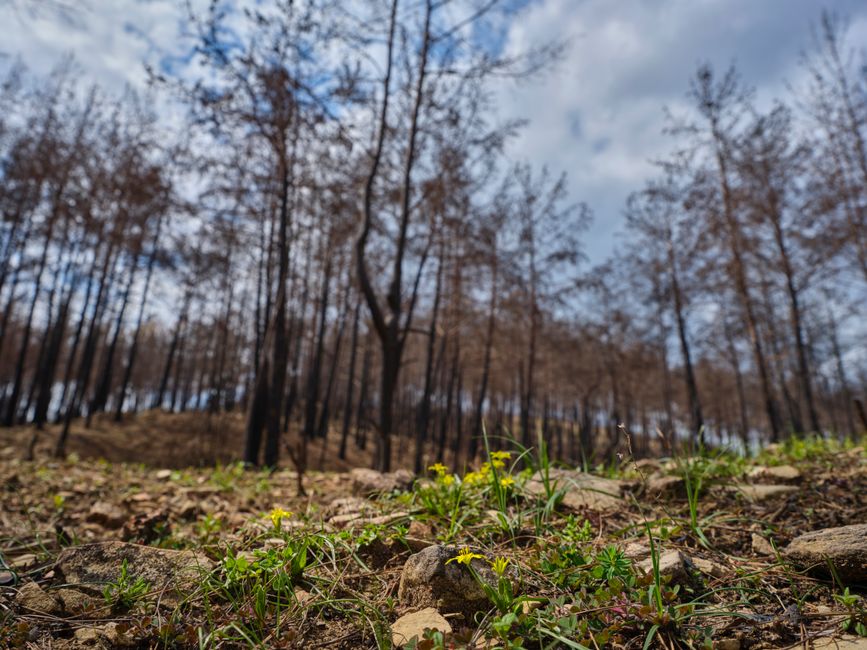
Wildfires can have profound and lasting effects on landscapes, altering soil properties, vegetation composition, and ecosystem processes. In the United Kingdom, while large-scale wildfires are less common than in some regions, they still occur, particularly on heathlands, moorlands, and grasslands during dry periods. The aftermath of such events presents both challenges and opportunities for ecological restoration. A systematic approach to post-fire restoration can help guide land managers, conservationists, and community groups in making informed decisions that support the recovery of these valuable ecosystems.
Restoration after fire is not simply about replanting trees or sowing seeds; it requires a careful assessment of the site’s condition, an understanding of the ecological context, and the selection of species that are adapted to the local environment and to fire regimes. The goal is to foster resilience and diversity, enabling the ecosystem to withstand future disturbances while maintaining its functions. This article outlines key steps for assessing fire-damaged sites and implementing replanting with fire-adapted species. It emphasises a process-oriented approach that prioritises ecological integrity and long-term sustainability.
Assessing Fire Damage and Site Conditions
Before any replanting can begin, it is essential to evaluate the extent and severity of fire damage. Fire intensity and duration influence how deeply heat penetrates the soil, affecting seed banks, root systems, and soil chemistry. A thorough assessment helps determine which areas may recover naturally and which may require intervention. Factors such as slope, aspect, soil type, and pre-fire vegetation cover all play a role in the site’s response to fire. For example, steep slopes may be more prone to erosion after fire, while flat areas may retain more moisture and recover differently.
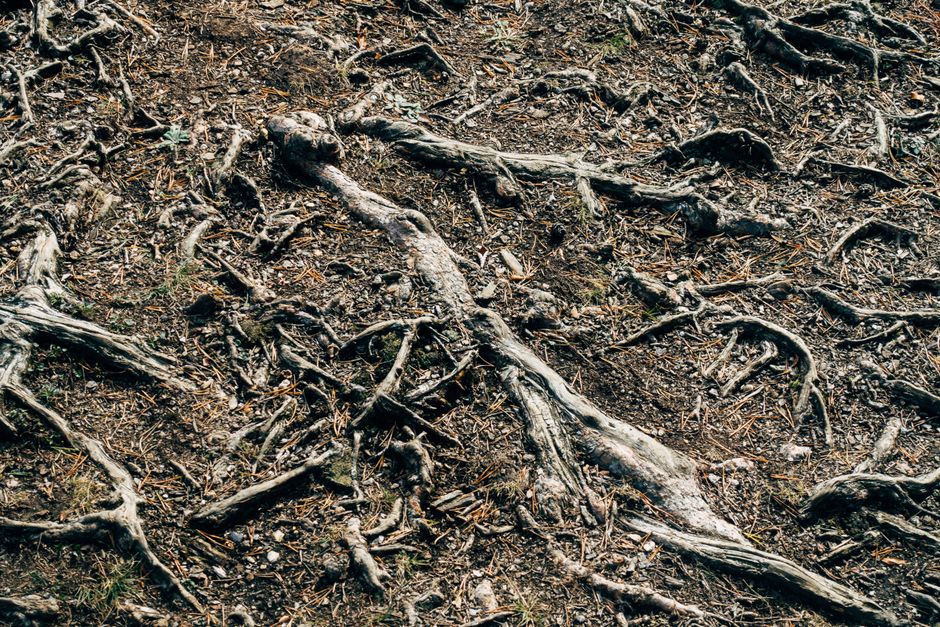
Soil conditions are particularly critical. High-severity fires can consume organic matter, leading to nutrient loss and changes in soil structure. In some cases, a hydrophobic layer may form, reducing water infiltration and increasing runoff. Testing soil pH, nutrient levels, and the presence of hydrophobic compounds can provide valuable insights. Additionally, assessing the survival of underground plant parts, such as rhizomes and bulbs, can indicate the potential for natural regeneration. It is also important to consider the surrounding landscape matrix, including unburned patches that can serve as seed sources and refugia for wildlife.
Assessments should be repeated over time, as post-fire conditions are dynamic. Immediate post-fire observations may differ from those several months later, especially after rainfall events. Engaging local experts, such as ecologists or soil scientists, can enhance the accuracy of assessments. The information gathered forms the basis for developing a restoration plan that is tailored to the specific site and its ecological context.
Selecting Fire-Adapted Species for Replanting
The choice of species for replanting is central to successful restoration. Fire-adapted species are those that have evolved traits allowing them to survive, regenerate, or even thrive in fire-prone environments. These traits may include thick bark, resprouting ability, serotinous cones, or seeds that require heat or smoke to germinate. In the UK, species such as Scots pine (Pinus sylvestris), birch (Betula spp.), and heather (Calluna vulgaris) exhibit adaptations to fire, though their responses vary. Selecting a mix of species that reflect the pre-fire community and local conditions can enhance resilience.
Diversity is key to ecological resilience. A diverse plant community can better withstand pests, diseases, and climate variability, and it supports a wider range of wildlife. When planning replanting, consider the structural diversity as well, including ground cover, shrubs, and canopy trees. However, it is important to avoid introducing non-native species that may become invasive or disrupt ecosystem processes. Instead, focus on locally appropriate native species that are known to be fire-adapted or fire-tolerant. In some cases, assisted migration may be considered, but this requires careful evaluation of risks and benefits.
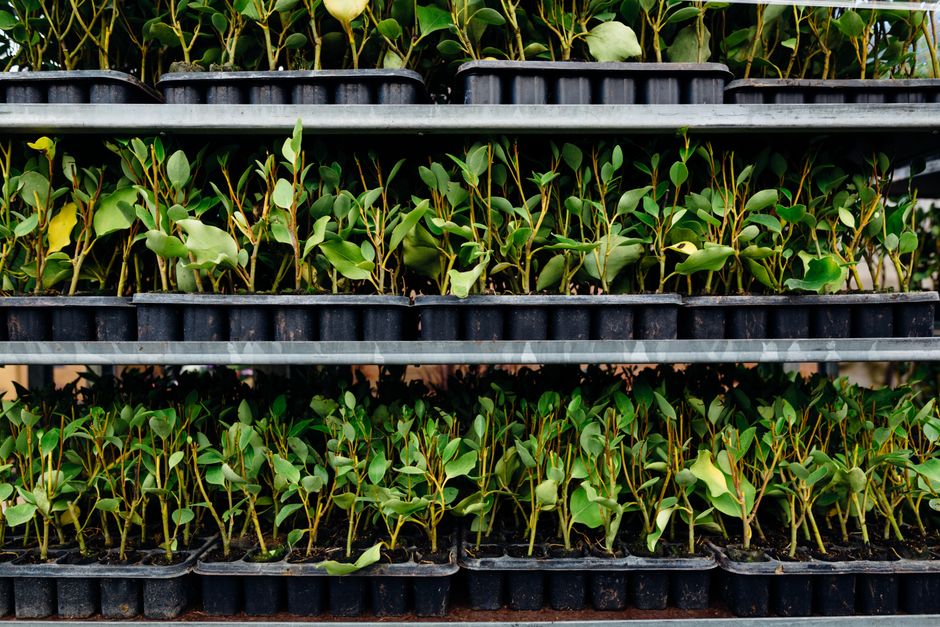
Site preparation techniques can influence the success of replanting. For example, reducing competition from aggressive post-fire colonisers, such as bracken (Pteridium aquilinum), may be necessary in some areas. However, minimal intervention is often preferable to allow natural processes to occur. Where planting is undertaken, it should be timed to coincide with favourable moisture conditions, typically in autumn or early spring. The use of locally sourced seed or seedlings can help ensure genetic adaptation to local conditions.
Implementing Restoration: Techniques and Timing
Restoration after fire can involve a range of techniques, from passive recovery to active replanting. Passive recovery relies on natural regeneration and may be suitable for areas where fire severity was low and seed sources remain. Active restoration, on the other hand, may involve seeding, planting, or the introduction of nurse species. The decision between these approaches depends on the assessment findings and the specific objectives for the site. For instance, if the goal is to restore a woodland, planting tree seedlings may be necessary if natural regeneration is insufficient.
Timing is critical. In the UK, the optimal planting window is generally from late autumn to early spring, when soil moisture is adequate and plants are dormant. This reduces transplant shock and allows roots to establish before drier conditions. If seeding, it is important to consider the risk of seed predation and desiccation. Mulching or using erosion control fabrics can help protect seeds and seedlings on vulnerable sites. In some cases, mycorrhizal inoculation may be beneficial, as these symbiotic fungi can enhance nutrient uptake and stress tolerance.
Monitoring and maintenance are integral to implementation. Regular checks for signs of stress, pest damage, or disease can inform adaptive management. If planting fails, it may be necessary to replant or adjust the approach. It is also important to manage herbivore pressure, as deer and rabbits can browse young plants. Fencing or tree guards may be used where necessary, but these should be removed once plants are established to avoid interfering with wildlife movement. The overall aim is to create conditions that allow the ecosystem to self-organise and develop towards a resilient state.
Monitoring, Adaptive Management, and Long-Term Resilience
Post-fire restoration is a long-term endeavour that requires ongoing monitoring and adaptive management. Establishing a monitoring plan with clear indicators, such as vegetation cover, species richness, and soil stability, can help track progress and identify issues early. Photographic records from fixed points can provide visual evidence of change over time. It is also valuable to engage local communities and volunteers in monitoring, as this can foster stewardship and provide additional data.
Adaptive management means being flexible and willing to adjust strategies based on new information. For example, if a particular species fails to establish, it may be replaced with another that is better suited to the site. Climate change adds uncertainty, as shifts in temperature and precipitation patterns may alter fire regimes and species performance. Therefore, restoration plans should incorporate flexibility and consider a range of future scenarios. Building resilience may involve promoting species and genotypes that are more tolerant of drought or heat, but this should be done with caution to avoid maladaptation.
Ultimately, the success of post-fire restoration is measured by the ecosystem’s ability to function and sustain itself over time. This includes nutrient cycling, water regulation, and habitat provision for wildlife. By following a structured process of assessment, species selection, implementation, and monitoring, land managers can support the recovery of fire-affected landscapes and enhance their resilience to future disturbances. While each site is unique, the principles outlined here provide a framework for informed and effective action.
Restoration is not about returning to a past state, but about fostering ecosystems that can adapt and thrive in a changing world.