The Role of Mycorrhizal Fungi in Forest Soil Fertility
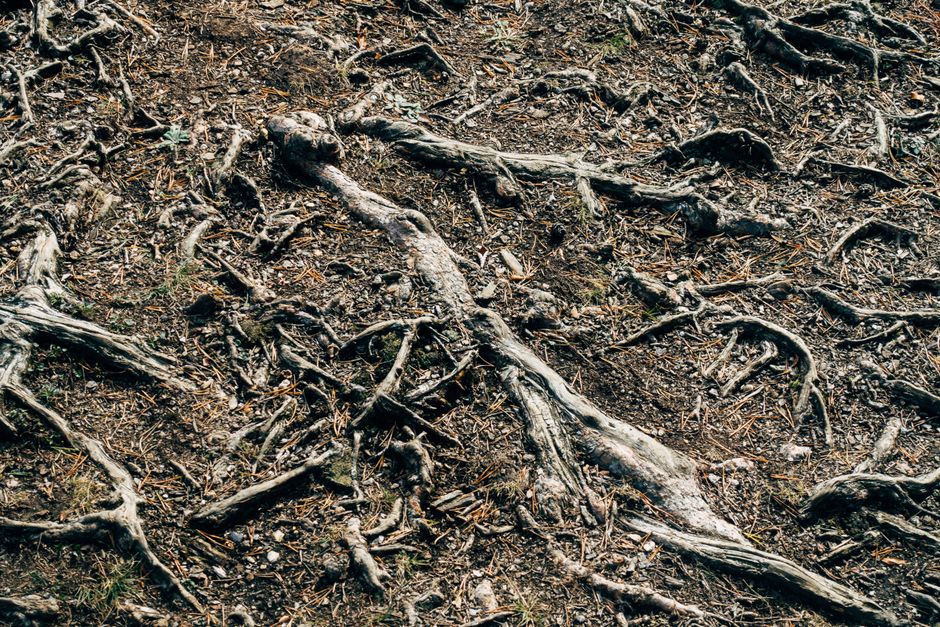
Mycorrhizal fungi form symbiotic associations with the roots of most tree species, playing a fundamental role in forest soil fertility and tree nutrition. These fungi extend the effective root network of trees, accessing water and nutrients from a larger soil volume than roots alone could reach. In exchange for carbohydrates produced by the tree through photosynthesis, the fungi provide essential minerals such as phosphorus, nitrogen, and micronutrients. This mutualistic relationship is ancient and widespread, influencing forest health and productivity across diverse ecosystems.
Understanding the mechanisms by which mycorrhizal fungi enhance nutrient uptake is crucial for sustainable forest management. Forest practices can either support or disrupt these beneficial soil organisms, with implications for long-term soil fertility and tree growth. This article explores the types of mycorrhizal associations, their role in nutrient cycling, and how management decisions can protect these fungi. By adopting practices that conserve mycorrhizal communities, forest managers can maintain the biological foundations of soil fertility.
In the United Kingdom, where forests range from native woodlands to commercial plantations, mycorrhizal fungi are integral to soil health. The diversity of fungal species and their sensitivity to disturbance highlight the need for careful stewardship. This post provides an overview of the key processes and considerations, without prescribing specific actions, as outcomes depend on local conditions and management objectives.
Types of Mycorrhizal Associations in Forests
Mycorrhizal fungi are broadly categorised into several types, with ectomycorrhizas and arbuscular mycorrhizas being the most common in forest ecosystems. Ectomycorrhizal fungi typically associate with tree species such as oak, pine, birch, and beech, forming a sheath around root tips and a network between root cells. Arbuscular mycorrhizal fungi, on the other hand, penetrate root cells to form branched structures called arbuscules, and are common in many deciduous trees and herbaceous plants. Each type has distinct physiological capabilities and ecological roles.
Ectomycorrhizal fungi are particularly adept at accessing organic forms of nitrogen and phosphorus, often producing enzymes that break down complex organic matter. This ability allows them to tap into nutrient pools that would otherwise be unavailable to trees. Arbuscular mycorrhizal fungi are more efficient at scavenging inorganic phosphorus and can improve soil aggregation through the production of a glycoprotein called glomalin. The prevalence of each type depends on tree species, soil conditions, and disturbance history.
In addition to these two main types, some plants form ericoid mycorrhizas (with heathland plants) or orchid mycorrhizas, but these are less relevant to typical forest trees. The diversity of mycorrhizal fungi within a forest is immense; a single tree can host dozens of fungal species, each contributing differently to nutrient uptake and stress tolerance. This redundancy and complementarity enhance the resilience of the symbiotic network.
Understanding the specific mycorrhizal associations present in a forest is important for predicting how management practices might affect soil fertility. For instance, clear-cutting can reduce populations of ectomycorrhizal fungi that depend on living tree roots, while arbuscular mycorrhizal fungi may recover more quickly. The composition of the fungal community also influences the rate of nutrient cycling and the ability of trees to acquire limiting nutrients.
Nutrient Uptake Mechanisms
Mycorrhizal fungi enhance nutrient uptake through several mechanisms, including increased surface area for absorption, production of extracellular enzymes, and modification of soil chemistry. The fungal hyphae extend far beyond the root depletion zone, where nutrients become scarce due to root uptake. This hyphal network can explore micropores and access water and nutrients that roots cannot reach. Additionally, some fungi release organic acids and phosphatases that solubilise phosphorus bound to soil particles, making it available for uptake.
For nitrogen, ectomycorrhizal fungi can directly acquire amino acids and peptides from organic matter, bypassing the need for mineralisation by free-living microbes. This ability is particularly important in temperate and boreal forests where nitrogen is often bound in recalcitrant organic forms. Arbuscular mycorrhizal fungi primarily take up inorganic nitrogen, but they can also influence nitrogen cycling indirectly by affecting the activity of other soil organisms.
The transfer of nutrients to the host tree occurs at the symbiotic interface, where the fungus and root exchange resources. The tree supplies carbohydrates, such as sucrose, which are converted by the fungus into storage compounds. In return, the fungus delivers nutrients, often in the form of amino acids or phosphate ions. This exchange is tightly regulated, with the tree able to modulate its carbon allocation to the fungi based on nutrient demand.
Beyond nutrient uptake, mycorrhizal fungi contribute to soil structure and water retention. The hyphal network binds soil particles into aggregates, improving porosity and infiltration. This can reduce erosion and enhance drought resilience. In addition, some fungi produce compounds that stimulate root branching, further expanding the absorptive surface of the tree.
Factors Influencing Mycorrhizal Communities
Mycorrhizal fungal communities are influenced by a range of biotic and abiotic factors, including tree species composition, soil properties, climate, and disturbance regimes. Tree species differ in their mycorrhizal type and in the quality of litter they produce, which in turn affects soil conditions and fungal diversity. For example, coniferous forests often dominated by ectomycorrhizal fungi tend to have more acidic soils with slower decomposition rates, while deciduous forests may support a mix of ectomycorrhizal and arbuscular mycorrhizal fungi.
Soil properties such as pH, nutrient availability, and organic matter content strongly influence mycorrhizal colonisation and community structure. Fungi are generally more abundant in soils with moderate to high organic matter and good aeration. High levels of available phosphorus can suppress mycorrhizal colonisation, as the tree may rely less on the symbiosis when nutrients are readily available. Similarly, nitrogen deposition from atmospheric pollution can alter fungal communities, often favouring species that are less beneficial to trees.
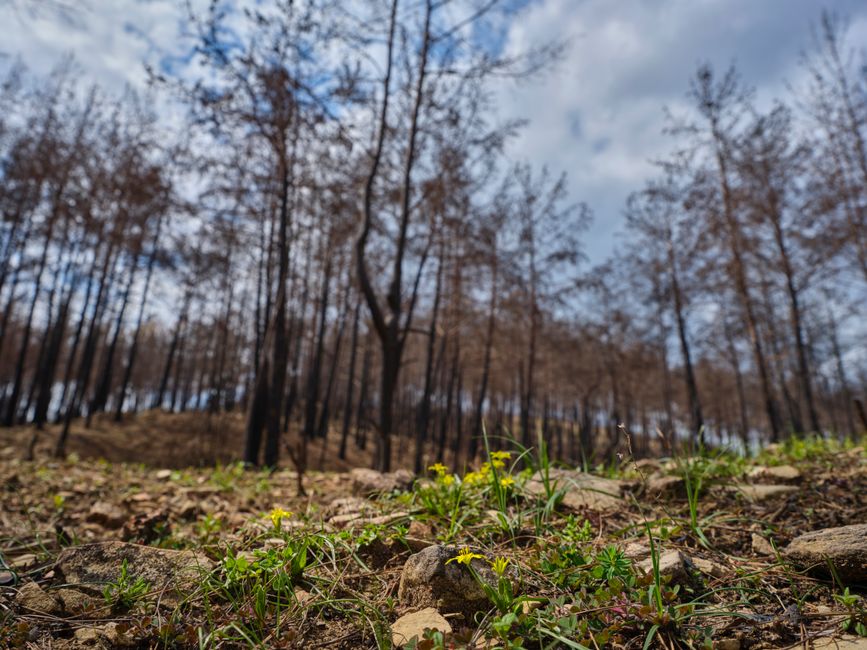
Disturbances such as logging, site preparation, and fire can have profound impacts on mycorrhizal fungi. Clear-cutting removes the host trees, depriving biotrophic fungi of their carbon source. The resulting increase in soil temperature and moisture can also affect fungal survival. However, some fungi can persist as spores or in association with remaining vegetation, and recolonisation can occur if compatible hosts are present.
Climate factors, including temperature and precipitation, shape the distribution and activity of mycorrhizal fungi. In the UK, mild, wet conditions generally favour fungal growth, but extreme events such as drought or flooding can disrupt communities. The interactive effects of multiple factors mean that predicting the response of mycorrhizal fungi to environmental change is complex.
Management Practices to Protect Mycorrhizal Fungi
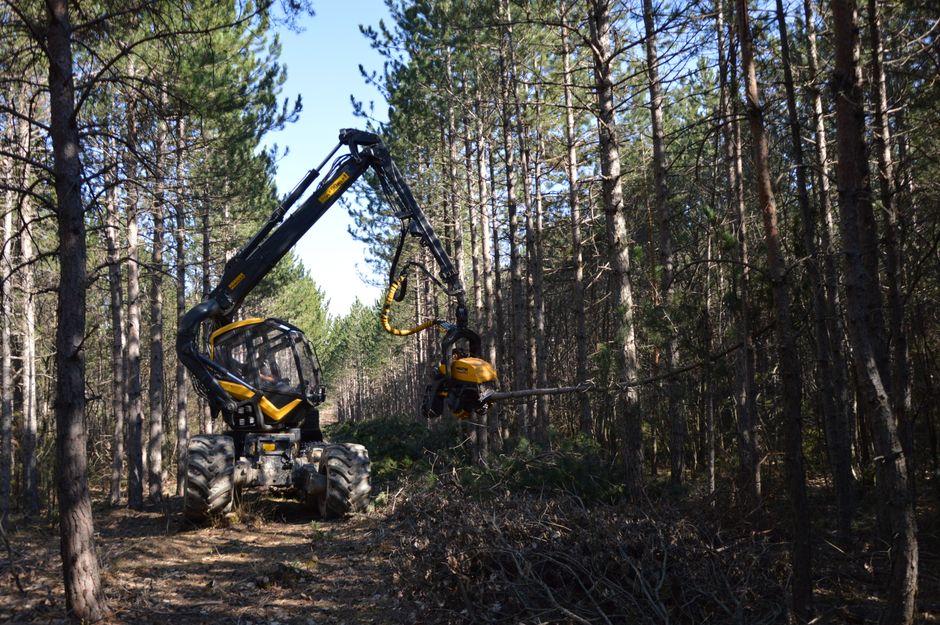
Forest management practices can be designed to conserve or enhance mycorrhizal fungi, thereby supporting soil fertility. Retaining live trees and maintaining continuous cover forestry are approaches that keep host roots available for mycorrhizal colonisation. Avoiding excessive soil disturbance during harvesting and site preparation helps preserve fungal networks and soil structure. Where possible, minimising the use of heavy machinery and scheduling operations when soils are dry can reduce compaction, which can be detrimental to fungal hyphae.
The retention of coarse woody debris and leaf litter provides habitat and substrate for fungi, as well as a slow-release source of nutrients. Leaving some trees unharvested, such as retention trees or wildlife corridors, can serve as refugia for mycorrhizal fungi. In plantations, mixed-species stands may support a greater diversity of mycorrhizal fungi than monocultures, as different tree species associate with different fungal partners.
Chemical applications, such as fertilisers and pesticides, should be used cautiously, as they can negatively affect non-target soil organisms. Over-application of phosphorus fertiliser, for instance, can reduce mycorrhizal colonisation. Integrated pest management and organic amendments are alternatives that may be less disruptive. It is important to note that the effectiveness of any practice depends on site-specific conditions, including soil type, climate, and existing fungal communities.
Monitoring soil biological health, including mycorrhizal diversity and colonisation rates, can inform adaptive management. However, such monitoring requires expertise and resources. Forest managers may collaborate with researchers or use established indicators to assess soil conditions. The goal is to maintain the functional integrity of the symbiosis, not necessarily to maximise fungal abundance.
Implications for Forest Soil Fertility
The presence and activity of mycorrhizal fungi are central to forest soil fertility. By enhancing nutrient uptake and cycling, these fungi reduce the need for external inputs and support tree growth over the long term. They also contribute to soil carbon storage, as the hyphal network and associated compounds help stabilise organic matter. In this way, mycorrhizal fungi influence both nutrient availability and carbon dynamics.
Soil fertility is not solely a function of nutrient stocks; it also depends on the biological processes that make nutrients available. Mycorrhizal fungi are key drivers of these processes, linking trees to the soil and mediating competition and cooperation among plants. Their decline can lead to reduced tree vigour, increased susceptibility to pests and diseases, and diminished ecosystem services.
In the context of sustainable forest management, protecting mycorrhizal fungi is an investment in long-term productivity and resilience. However, the outcomes of management actions are not guaranteed and depend on a multitude of factors, including climate, site history, and the broader landscape context. A precautionary approach that minimises disturbance and maintains habitat diversity is generally aligned with conserving these beneficial organisms.
GreenSilva recognises the importance of soil biology in forest ecosystems and supports practices that foster healthy mycorrhizal communities. By integrating soil health considerations into management planning, forest owners and managers can contribute to the persistence of these vital symbioses.
Conclusion
Mycorrhizal fungi are indispensable components of forest soils, facilitating nutrient uptake and contributing to soil structure and carbon storage. Their symbiotic relationships with trees are complex and influenced by a range of environmental and management factors. Understanding these relationships is essential for developing forest management strategies that sustain soil fertility and ecosystem health.
While specific outcomes cannot be guaranteed, practices that retain living roots, minimise soil disturbance, and maintain diverse tree and fungal communities are likely to support mycorrhizal fungi. Ongoing research and monitoring can help refine these approaches. Ultimately, the goal is to manage forests in a way that respects the biological processes that underpin soil fertility, ensuring that forests continue to thrive for future generations.