Pruning Techniques for Young Hardwoods in Agroforestry Systems
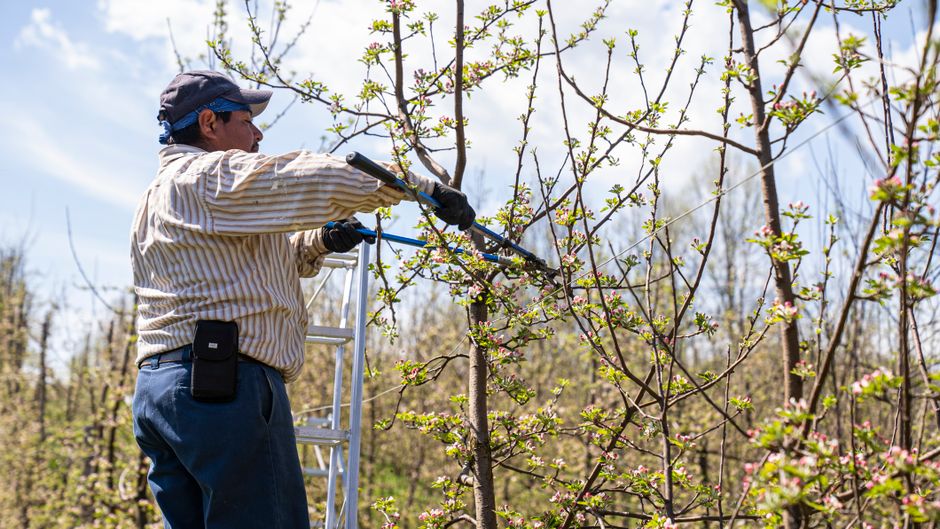
Formative pruning of young hardwoods in agroforestry systems is a nuanced practice that balances timber quality with nut production. In silvopasture setups, where trees, livestock, and forage coexist, pruning decisions must consider the interactions between tree growth, animal behaviour, and the surrounding environment. The aim is to guide the tree’s architecture towards a strong central leader and well-spaced branches, while also promoting conditions for nut yield. This article explores practical approaches for walnut, pecan, and oak, focusing on the early years when structural decisions have long-lasting effects.
Understanding the specific growth habits of each species is essential. Walnuts exhibit a strong central leader but can produce steep-angled branches that compete with the leader. Pecans have a more spreading habit and may require different training. Oaks, depending on the species, can be vigorous and prone to multiple leaders. The timing of pruning—whether in winter dormancy or during the growing season—also influences wound closure and the risk of disease. By aligning pruning practices with the tree’s natural growth patterns and the agroforestry context, managers can support both timber and nut objectives.
This guide is intended for growers, advisors, and land managers who are integrating hardwoods into pasture-based systems. It outlines key principles and techniques, but it is important to recognise that outcomes depend on site conditions, climate, soil, and management. The information provided is not a substitute for professional advice tailored to specific circumstances.
Principles of Formative Pruning in Agroforestry
Formative pruning aims to develop a tree with a single, dominant stem and a series of well-distributed branches that will form the permanent framework. In agroforestry, where trees are often spaced widely to allow light for understorey crops or forage, the goal is to produce a straight, clear butt log while also encouraging a broad crown for nut production. This dual purpose requires careful selection of both the central leader and the scaffold branches. The process begins at planting and continues for several years, with interventions becoming less frequent as the tree matures.
The timing of pruning is critical. Winter pruning, when trees are dormant, is generally preferred for major structural cuts because it minimises stress and allows for rapid wound closure in spring. However, some species, such as walnut, may bleed sap if pruned too late in winter or early spring; in such cases, summer pruning may be considered. Summer pruning can also be used to slow the growth of competing branches and to direct energy towards the leader. Each cut should be made with sharp, clean tools to ensure a smooth wound that can seal quickly.
When making pruning decisions, consider the tree’s age and vigour. Young trees are more responsive to training, but over-pruning can reduce leaf area and slow growth. A general rule is to remove no more than 25-30% of the live crown in a single year. In silvopasture, where livestock may browse lower branches, it is important to protect young trees with guards or fences until they are tall enough to escape damage. The presence of animals can also affect nutrient cycling and soil compaction, which in turn influence tree growth and response to pruning.
Species-Specific Techniques: Walnut, Pecan, and Oak
Walnut (Juglans spp.) is valued for its high-quality timber and nutritious nuts. Young walnut trees typically have a strong central leader, but they can produce narrow-angled branches that may become embedded in the trunk as the tree grows, leading to structural weakness. Formative pruning should focus on selecting a single leader and removing competing shoots, as well as branches with narrow angles. Aim to maintain a clear stem for at least 2-3 metres for timber purposes, but also retain some lower branches temporarily to support trunk development. Once the tree is established, these lower branches can be removed in stages.
Pecan (Carya illinoinensis) has a more open, spreading growth habit and may naturally develop multiple leaders. Training should encourage a central leader if timber is a goal, but for nut production, a more open centre may be acceptable. Pecans tend to produce heavy crops that can break branches, so it is important to develop strong branch attachments. Remove narrow-angled crotches and any branches that rub or cross. Pecan is also prone to shading out lower branches; therefore, timely removal of temporary branches helps maintain a clear trunk. In silvopasture, pecan’s deep taproot and tolerance of grazing once mature make it a suitable choice, but young trees require protection.
Oaks (Quercus spp.) vary widely in growth habit. Species such as pedunculate oak (Quercus robur) and sessile oak (Quercus petraea) are common in the UK. Young oaks can be shrubby and may develop multiple leaders, especially if browsed. Formative pruning should establish a single leader by selecting the most vigorous, straight stem and removing competitors. Oak branches often have strong attachments, but narrow angles can still be weak. Remove dead, diseased, or damaged branches, and thin out dense clusters to allow light and air movement. Oaks are generally pruned in winter to avoid bleeding, although some arborists recommend late summer pruning to reduce the risk of oak wilt, a disease not yet present in the UK but of concern in other regions.
Managing Competition and Tree Architecture
Competition from neighbouring trees, weeds, and forage species can significantly affect the growth and form of young hardwoods. In agroforestry, trees are often planted in rows with alleys for crops or pasture. Within the row, trees may compete for light, water, and nutrients. Formative pruning can help mitigate competition by reducing the crown of dominant trees, but it is also important to manage spacing and thinning. If trees are too close, they may develop slender stems and asymmetric crowns. Regular monitoring and timely removal of competing vegetation around the base of young trees will promote faster growth and better form.
Tree architecture is influenced not only by pruning but also by environmental factors such as wind, light direction, and soil conditions. In exposed sites, trees may develop a leaning habit or a biased crown. Pruning can correct some of these issues, but it is often better to select a species and provenance suited to the site. For example, walnut may suffer from late spring frosts, which can kill the leader and stimulate multiple shoots. In such cases, re-training a new leader may be necessary. Similarly, pecan may be damaged by strong winds, leading to broken branches that require corrective pruning.
When managing competition, consider the role of livestock. In silvopasture, animals can help control weeds and cycle nutrients, but they can also damage trees through browsing, rubbing, and trampling. Fencing or individual tree guards are essential until the trees are large enough to withstand animal pressure. The interaction between livestock and trees is dynamic; for instance, cattle may preferentially browse certain species, affecting their growth and form. Therefore, pruning schedules may need to be adapted to account for animal impacts.
Timing, Tools, and Best Practices
The timing of pruning operations is crucial for tree health and wound closure. As a general guideline, winter pruning is suitable for most hardwoods, but avoid pruning during freezing temperatures or when snow is expected, as this can cause dieback. For species prone to bleeding, such as walnut, prune in late summer or early autumn when sap flow is reduced. Pecan and oak can be pruned in winter, but oak should be pruned in late winter to early spring to minimise the risk of oak wilt, although this disease is not currently a major issue in the UK. Always use sharp, sterilised tools to make clean cuts. Bypass pruners and loppers are suitable for small branches, while a pruning saw is needed for larger limbs. Make cuts just outside the branch collar, without leaving stubs.
Best practices include removing no more than 25-30% of the live crown in one season, prioritising the removal of dead, diseased, or damaged wood first. When selecting branches to retain, aim for a spiral arrangement around the trunk, with vertical spacing of at least 15-20 cm for small branches and more for larger ones. This allows room for future growth. For timber production, a clear stem of 3-5 metres is often desirable, but this may take several years to achieve. For nut production, a more open crown with good light penetration is beneficial. In silvopasture, consider the height of livestock; branches below the browse line may be removed to prevent damage, but leaving some low branches temporarily can help the tree establish.
Record-keeping is an often-overlooked aspect of formative pruning. Keeping notes on pruning dates, branch removal, and tree responses can inform future management. Photographs can also be useful to track changes over time. Each tree is unique, and what works in one situation may not work in another. Therefore, a flexible approach based on observation and adaptation is recommended.
Integrating Pruning with Silvopasture Management
In silvopasture systems, pruning is not an isolated activity but part of a broader management strategy. The trees, livestock, and forage interact in complex ways. For example, the shade provided by trees can improve animal comfort and reduce heat stress, while also affecting forage growth. Pruning influences the amount and distribution of shade, which in turn affects the understorey. Therefore, when planning pruning, consider the desired balance between timber, nuts, and pasture. In some cases, a lighter pruning regime may be preferred to maintain shade, while in others, more aggressive pruning may be needed to reduce competition with forage.
The integration of pruning with grazing management is also important. Livestock may be used to control weeds and reduce the need for mowing, but they can also damage trees. rotational grazing can help minimise damage by limiting the time animals spend near trees. Additionally, the timing of pruning can be coordinated with grazing to avoid conflicts; for instance, prune when livestock are not in the area or when trees are less vulnerable. It is advisable to consult with an agroforestry advisor or professional pruner to develop a management plan that suits the specific site and objectives.
Finally, remember that formative pruning is an investment in the future. The decisions made in the first few years will shape the tree for decades. While it requires time and attention, the result can be a productive, resilient agroforestry system that yields both high-quality timber and abundant nuts. However, outcomes depend on many factors, including weather, pests, diseases, and market conditions. Therefore, flexibility and ongoing observation are key.