Thinning Strategies to Improve Forest Health and Timber Quality
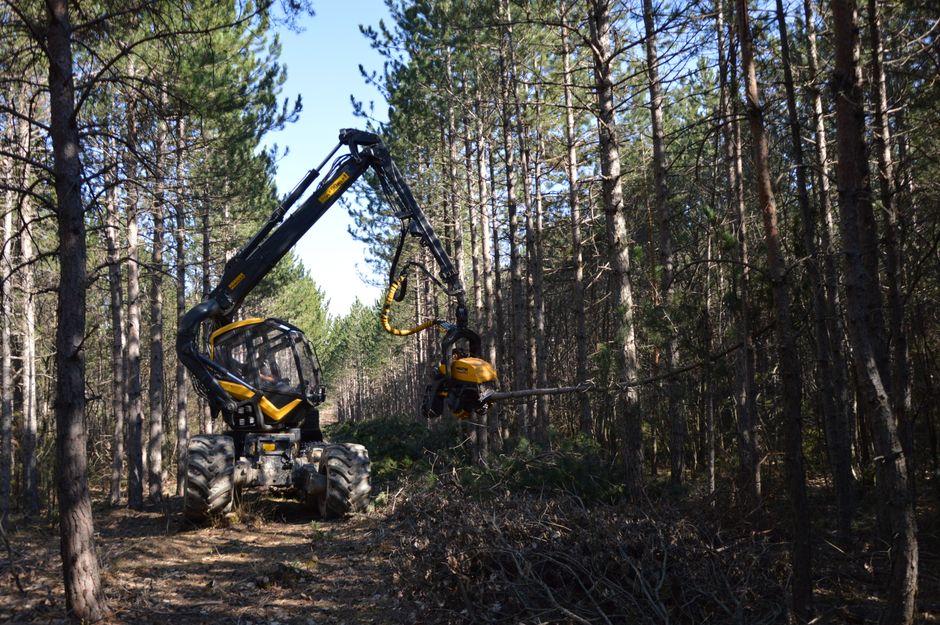
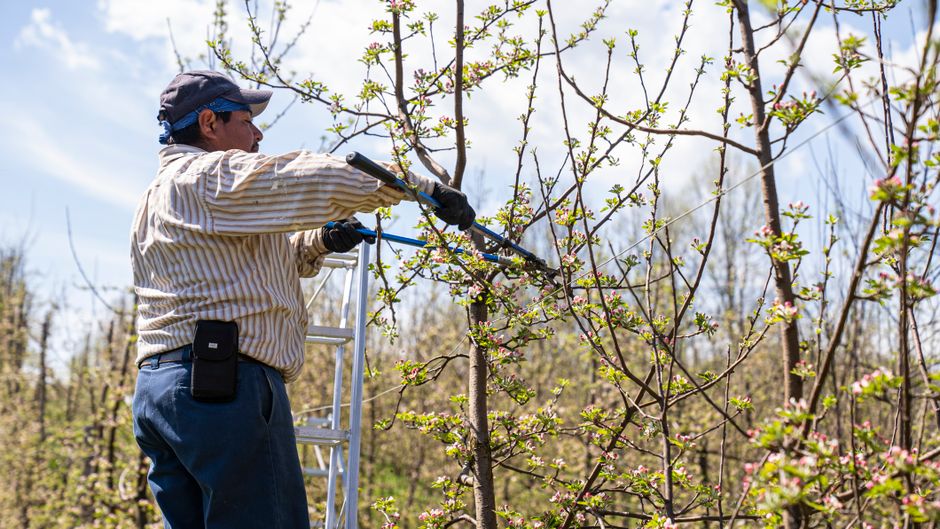
Thinning is a silvicultural practice that involves the selective removal of trees from a stand to reduce competition and promote the growth and health of the remaining trees. In the United Kingdom, where many forests are managed for multiple objectives including timber production, biodiversity, and recreation, thinning plays a crucial role in achieving a balance among these goals. The decision to thin, as well as the timing, intensity, and method, depends on a variety of factors such as species composition, site conditions, stand age, and management objectives. This article examines the principles and strategies of thinning, focusing on how it can improve forest health and timber quality while maintaining ecosystem stability.
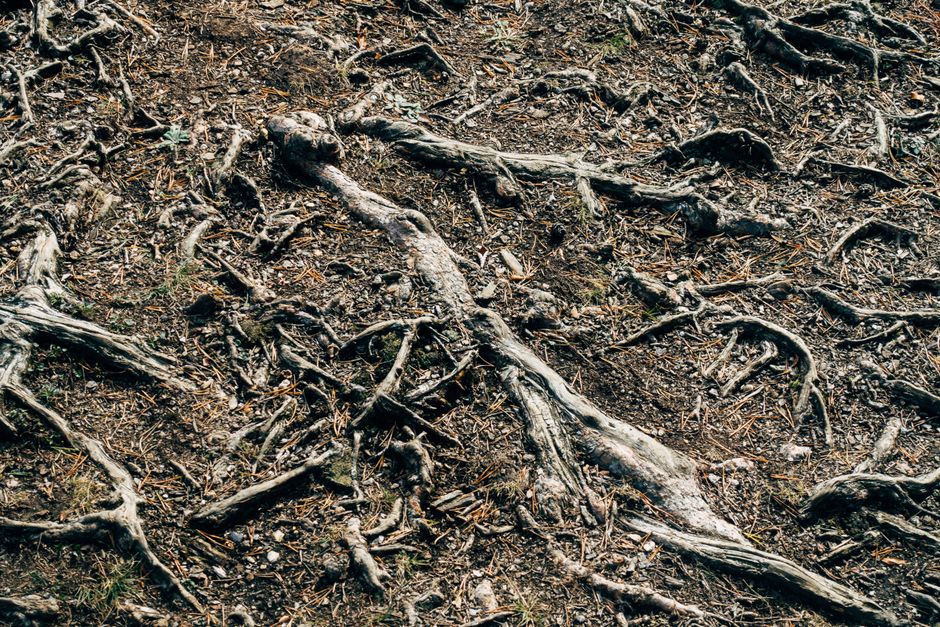
Dense stands often experience intense competition for light, water, and nutrients, which can lead to reduced growth rates, increased susceptibility to pests and diseases, and a decline in overall forest health. Thinning alleviates this competition by providing more growing space for the remaining trees, allowing them to develop larger crowns and root systems. As a result, trees may exhibit increased diameter growth, improved stem form, and enhanced resistance to environmental stresses. However, the outcomes of thinning are not guaranteed and depend on a range of external factors, including weather patterns, soil conditions, and subsequent management practices.
When planning a thinning operation, forest managers must consider both short-term and long-term objectives. The choice of thinning method—such as low thinning, crown thinning, or selection thinning—will influence the stand structure and the quality of the timber produced. Additionally, the timing of thinning is critical; too early or too late can lead to undesirable outcomes. This article explores these considerations in detail, providing a comprehensive overview of thinning strategies that can be applied in UK forestry contexts.
Understanding Stand Dynamics and the Need for Thinning
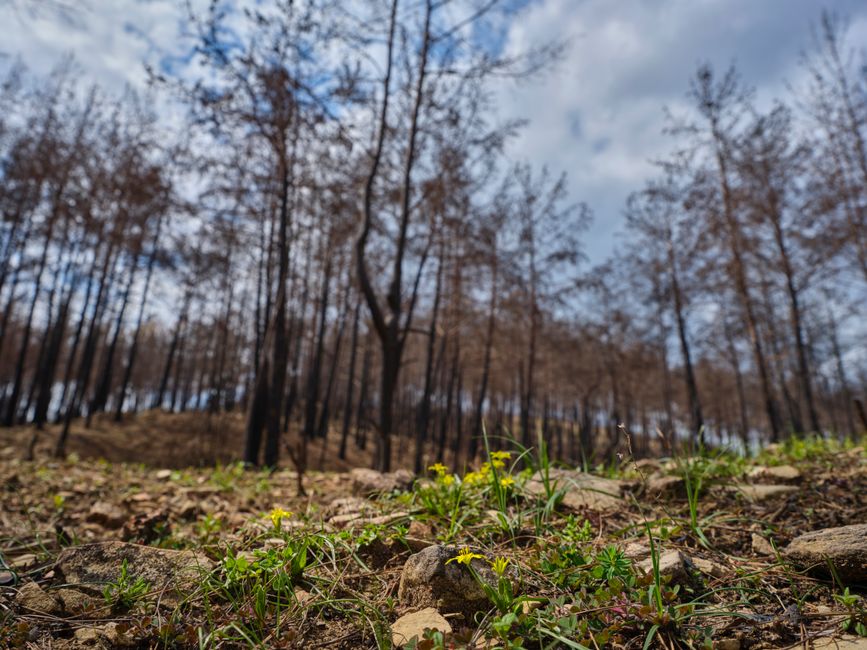
Forest stands are dynamic ecosystems where trees interact with each other and with their environment. As stands develop, natural processes such as competition, mortality, and regeneration shape their structure and composition. In many even-aged stands, initial stocking levels are high, leading to intense competition as trees grow. Without intervention, this competition can result in stagnation, where growth slows dramatically, and the stand becomes vulnerable to disturbances. Thinning mimics natural disturbances by removing a portion of the trees, thereby releasing resources for the remaining individuals.
The need for thinning arises when the stand reaches a density where competition begins to limit growth. This threshold varies by species and site. For example, light-demanding species such as Scots pine may require earlier and more frequent thinning than shade-tolerant species like beech. Forest managers assess stand density using metrics such as basal area, trees per hectare, or relative density. These measurements help determine whether thinning is necessary and what intensity is appropriate. Regular monitoring is essential to track stand development and adjust thinning schedules as needed.
In the UK, many forests are managed under continuous cover forestry (CCF) systems, where thinning is used to create and maintain uneven-aged structures. In such systems, thinning focuses on removing trees from across diameter classes to promote regeneration and maintain a diverse age structure. This approach can enhance resilience to pests, diseases, and climate change while providing a steady supply of timber. However, CCF requires careful planning and skilled operators to avoid damage to residual trees and ensure successful regeneration.
Timing and Intensity of Thinning Operations
The timing of thinning is a critical decision that affects both tree growth and timber quality. Thinning too early may expose trees to wind damage and reduce the benefits of competition, while thinning too late can result in permanent growth loss and reduced economic returns. In general, the first thinning is typically carried out when the stand reaches canopy closure, which for many UK species occurs between 15 and 25 years of age. Subsequent thinnings may be scheduled at intervals of 5 to 15 years, depending on growth rates and management objectives.
Intensity refers to the proportion of trees removed in a thinning operation. Light thinning removes a small percentage of trees, while heavy thinning removes a larger proportion. The appropriate intensity depends on the species, site productivity, and the desired stand structure. For timber production, moderate to heavy thinning often promotes diameter growth and improves wood quality by reducing knot size and increasing the proportion of mature wood. However, heavy thinning can increase the risk of windthrow, especially on exposed sites, and may reduce total volume production over the rotation.
Forest managers must also consider the timing of thinning in relation to market conditions and operational constraints. For instance, thinning operations may be scheduled to coincide with periods of high demand for small-diameter timber, such as for biomass or pallets. In the UK, grant schemes such as the Woodland Improvement Grant may support thinning activities that enhance woodland condition and resilience. GreenSilva emphasises the importance of aligning thinning schedules with both ecological and economic factors to achieve sustainable outcomes.
Thinning Methods and Their Applications
Several thinning methods are used in UK forestry, each with distinct effects on stand structure and timber quality. Low thinning, also known as thinning from below, involves the removal of suppressed and intermediate trees from the lower canopy. This method is often used in even-aged stands to improve the growth of dominant trees and reduce mortality. Crown thinning, or thinning from above, removes some of the larger trees in the upper canopy to favour selected crop trees. This approach can increase the growth of residual trees and improve timber quality by concentrating growth on high-value stems.
Selection thinning is a more complex method that involves removing trees across all size classes to create and maintain an uneven-aged structure. This method is commonly used in continuous cover forestry and can enhance biodiversity by retaining a variety of tree ages and sizes. However, selection thinning requires careful marking and skilled operators to avoid damage to residual trees and ensure adequate regeneration. In addition, mechanical thinning using harvesters and forwarders is increasingly common in the UK, offering efficiency and precision but requiring careful planning to minimise soil disturbance.
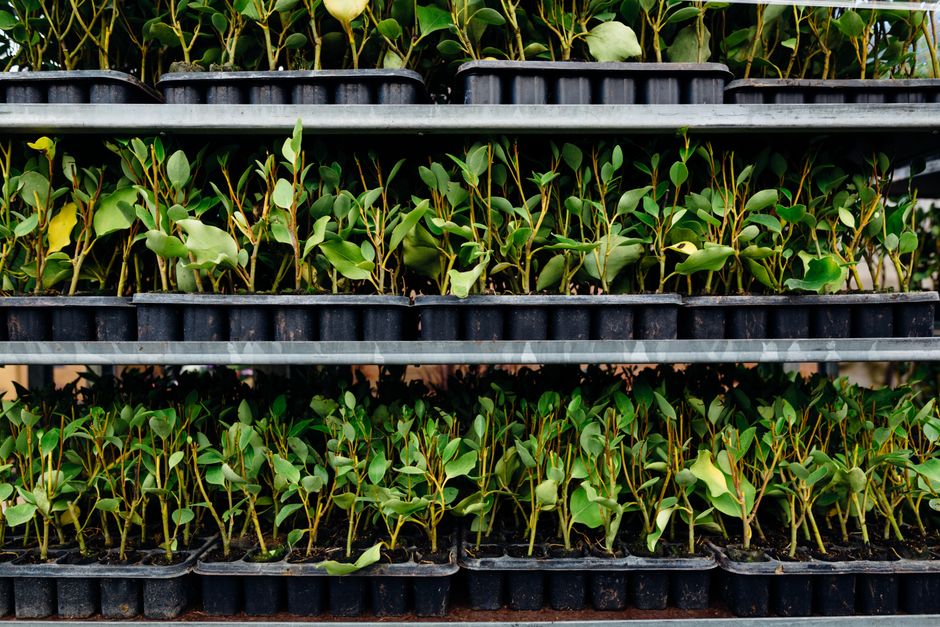
The choice of thinning method should be guided by the specific objectives of management. For example, if the goal is to produce high-quality sawlogs, crown thinning may be preferred to promote the growth of valuable crop trees. If the goal is to enhance woodland resilience, low thinning combined with underplanting may be appropriate. GreenSilva advocates for a tailored approach that considers site-specific conditions and long-term management goals.
Balancing Timber Production with Ecosystem Stability
Thinning can have significant effects on ecosystem stability, including impacts on biodiversity, soil, and water. Removing trees alters the microclimate, light availability, and deadwood resources, which can affect a wide range of species. For instance, some woodland birds and insects depend on dense canopy conditions, while others benefit from the more open conditions created by thinning. Forest managers must therefore consider the trade-offs between timber production and biodiversity conservation, often using tools such as ecological impact assessments to guide decisions.
In the UK, forestry standards and guidelines, such as the UK Forestry Standard, provide a framework for sustainable forest management that includes thinning practices. These standards require that thinning operations protect soil and water quality, maintain or enhance biodiversity, and consider landscape character. GreenSilva works within these guidelines to ensure that thinning activities contribute to the overall health and resilience of woodlands.
Another important aspect of ecosystem stability is the prevention of soil compaction and erosion during thinning operations. The use of low-impact machinery, timing operations to avoid wet periods, and designing extraction routes carefully can help minimise damage. Additionally, retaining some deadwood and habitat trees during thinning can support saproxylic species and contribute to nutrient cycling. By integrating these considerations, forest managers can achieve a balance between timber production and ecosystem integrity.
Monitoring and Adaptive Management
Thinning is not a one-time event but part of an ongoing cycle of stand management. After thinning, it is essential to monitor the response of the remaining trees and the overall stand condition. Monitoring may include measuring growth rates, assessing tree health, and evaluating regeneration. This information can be used to adapt future thinning schedules and intensities, ensuring that management remains aligned with objectives. Adaptive management recognises that forests are complex and dynamic systems, and that flexibility is key to success.
In the UK, forest managers may use tools such as the Ecological Site Classification (ESC) and growth models to predict stand development and inform thinning decisions. These tools can help estimate the effects of different thinning regimes on timber yield and quality. However, models are simplifications of reality and should be used in conjunction with field observations and professional judgement. GreenSilva encourages a site-specific approach that combines scientific knowledge with practical experience.
Finally, thinning operations should be documented and reviewed to learn from outcomes and improve future practices. This includes recording the location, date, method, and intensity of thinning, as well as any observed effects on tree growth, health, and biodiversity. Such records can be valuable for long-term research and for demonstrating compliance with certification schemes such as the Forest Stewardship Council (FSC) or the Programme for the Endorsement of Forest Certification (PEFC).