Creating Wildlife Corridors in Managed Forests

In managed forests, the balance between timber production and biodiversity conservation is a central consideration. One approach to supporting wildlife while maintaining forestry operations is the establishment of wildlife corridors. These corridors are strips or patches of habitat that connect otherwise isolated areas, allowing animals to move safely between them. For species such as deer, birds, and small mammals, connectivity is essential for accessing food, water, and mates, as well as for dispersing to new territories. Without such linkages, populations can become isolated, which may lead to reduced genetic diversity and increased vulnerability to environmental changes.
Planning and maintaining wildlife corridors requires a nuanced understanding of species behaviour, landscape ecology, and forest management practices. It involves strategic decisions about which areas to retain, how to manage vegetation, and where to incorporate water features. In the United Kingdom, where forests are often fragmented by roads, agriculture, and urban development, the role of managed forests in providing connectivity is particularly significant. This article explores key considerations for designing and sustaining wildlife corridors in managed forests, with a focus on practical measures that can be integrated into forestry operations.
By examining the needs of different wildlife groups and the landscape features that support them, forest managers can make informed choices that benefit both timber production and biodiversity. The following sections discuss the importance of connectivity, planning principles, vegetation management, water features, and long-term maintenance. These elements form a framework that can be adapted to various forest types and management objectives.
Understanding Habitat Connectivity and Its Importance
Habitat connectivity refers to the degree to which landscapes facilitate the movement of organisms between resource patches. In managed forests, connectivity is influenced by the spatial arrangement of stands, the presence of linear features such as riparian zones or unplanted buffers, and the composition of vegetation. For deer, connectivity allows access to seasonal food sources and cover, and supports dispersal from natal areas. Birds, especially woodland specialists, rely on connected tree canopies and understory for foraging and nesting, while small mammals such as voles, shrews, and squirrels use corridors for safe travel and recolonization of vacant habitats.
The concept of connectivity encompasses both structural and functional aspects. Structural connectivity describes the physical continuity of habitat, such as a continuous strip of forest. Functional connectivity, on the other hand, considers whether animals actually move through the landscape, which depends on species-specific behaviour and the permeability of the matrix. A corridor may be structurally present but functionally ineffective if it lacks adequate cover or is regularly disturbed. Therefore, planning must consider not only the presence of habitat but also its quality and management.
In the UK context, historical deforestation and subsequent afforestation have created a mosaic of woodland types, many of which are managed for timber. The UK Forestry Standard and various agri-environment schemes provide guidelines for enhancing connectivity. For example, the creation of buffer strips along watercourses and the retention of deadwood are recognised as measures that support wildlife. However, the effectiveness of such measures depends on landscape-scale planning that goes beyond individual forest compartments.
Connectivity is not merely about linking patches; it is about ensuring that those linkages serve the ecological needs of target species.
Research indicates that well-designed corridors can mitigate some of the negative effects of fragmentation, but they are not a panacea. They must be part of a broader strategy that includes habitat protection and restoration. For managed forests, this means integrating connectivity considerations into inventory, harvest planning, and road construction. By doing so, forest managers can contribute to regional biodiversity goals while maintaining productive forestry.
Planning Corridors for Deer, Birds, and Small Mammals
Effective corridor planning begins with identifying the species or groups of species that are intended to benefit. Deer, birds, and small mammals have different movement capabilities and habitat requirements, so a corridor designed for one may not serve others. For deer, corridors should be wide enough to provide cover and forage, typically at least 50 metres, and should connect wintering areas with summer ranges. They often follow natural features such as ridges, valleys, or riparian zones. In managed forests, deer may use unplanted areas, rides, and open spaces if they are adjacent to dense cover.
Birds require a different approach. Many woodland birds are sensitive to edge effects and prefer interior habitat. Corridors for birds should therefore consist of mature trees and a well-developed understory, with minimal interruption. Linear features such as hedgerows and tree lines can serve as corridors for some species, but they may not provide sufficient breeding habitat. For small mammals, corridors can be narrower, but they must offer continuous ground cover and protection from predators. Features such as log piles, brush, and dense vegetation are important.
Spatial scale is also critical. Corridors should be planned at the landscape level, connecting core habitat areas across ownership boundaries. This requires coordination among neighbouring landowners and may involve partnerships with conservation organisations. In the UK, the concept of ‘habitat networks’ is promoted through initiatives like the Nature Recovery Network, which aims to create a coherent network of wildlife-rich places. Managed forests can play a key role in this network by providing both core areas and linkages.
When designing corridors, it is useful to consider the following elements:
- Width and length: Wider corridors are generally more effective for a range of species, but even narrow strips can function as stepping stones.
- Vegetation structure: A mix of canopy, shrub, and ground layers supports diverse wildlife.
- Connectivity to water: Water features can act as attractants and movement guides for many species.
- Disturbance regimes: Corridors should be managed to minimise human disturbance, especially during sensitive periods such as breeding or migration.
- Monitoring and adaptation: Regular surveys can inform adjustments to corridor management.
It is important to note that corridors are not a substitute for large, intact habitats. They are most effective when they complement existing protected areas and well-managed forests. In some cases, corridors may also facilitate the spread of invasive species or diseases, so risk assessment is advisable. Overall, planning should be based on the best available ecological information and should remain flexible to accommodate new findings.
Strategic Retention of Vegetation
In managed forests, the retention of vegetation is a primary tool for creating and maintaining corridors. This involves leaving uncut strips or patches of trees, shrubs, and ground flora during harvesting operations. These retained areas can serve as movement pathways and refuges for wildlife. The choice of what to retain depends on the species of interest and the silvicultural system employed. For example, in clearfell systems, retained strips along streams or ridgelines can maintain connectivity. In continuous cover forestry, the uneven-aged structure itself may provide connectivity if managed appropriately.
Retention can be applied at various scales. At the stand level, retaining individual trees or small groups can create stepping stones. At the landscape level, larger set-asides can act as core habitat areas. The UK Forestry Standard encourages the retention of deadwood, which is particularly valuable for invertebrates and small mammals. Deadwood also contributes to soil health and nutrient cycling. When retaining vegetation, it is important to consider the potential for windthrow, especially on exposed sites, and to select species that are resilient to local conditions.
Vegetation retention should also account for the needs of birds. Many woodland birds require mature trees with cavities for nesting, as well as a shrub layer for foraging. Retaining a proportion of older trees and allowing some areas to regenerate naturally can enhance habitat quality. In addition, the creation of open spaces within retained areas can benefit species that require both cover and foraging areas. For example, deer often use edges between dense cover and open areas.
The spatial arrangement of retained vegetation is key to its effectiveness as a corridor. Linear features are often used, but they can be susceptible to edge effects. Where possible, corridors should be widened at junctions or include nodes of larger habitat. This can be achieved by retaining blocks of vegetation at intervals along the corridor. Such nodes can serve as stepping stones and provide additional habitat. It is also beneficial to connect retained areas to existing water features, as discussed in the next section.
Monitoring the use of retained vegetation by wildlife can inform future management. Methods such as camera trapping, track surveys, and bird point counts can provide insights into which species are using the corridors and how. This information can then be used to adapt retention strategies, ensuring that they remain effective over time.
Integrating Water Features for Connectivity
Water features, including streams, rivers, ponds, and wetlands, are integral to wildlife corridors in managed forests. They provide drinking water, foraging opportunities, and often serve as natural movement corridors themselves. Riparian zones, the strips of land alongside watercourses, are particularly valuable because they support a high diversity of plants and animals. In the UK, riparian woodlands are recognised as priority habitats, and their conservation is supported by various policies.
For deer, water features offer reliable sources of drinking water and often coincide with productive foraging areas. Deer may follow watercourses when moving through the landscape. Birds, especially those associated with wetlands, such as kingfishers and dippers, rely on water features for feeding and nesting. Small mammals such as water voles and otters (though not small mammals, they are often considered in this context) depend on watercourses for habitat. Even in managed forests, the protection of water quality and riparian vegetation is essential for maintaining these functions.
When planning corridors, water features can be integrated by retaining buffer zones along watercourses. These buffers should be wide enough to protect water quality and provide habitat, typically at least 10 metres on each side, though wider buffers are more beneficial. Buffer zones should be managed to encourage native vegetation, which may involve excluding livestock and avoiding pesticide use. In some cases, the creation of new ponds or wetlands can enhance connectivity, especially in areas where water features are scarce.
Water features also serve as corridors for aquatic species, but our focus here is on terrestrial wildlife. Nevertheless, the health of aquatic ecosystems is linked to terrestrial corridors, as many species have life stages in both realms. For example, amphibians use both aquatic and terrestrial habitats, and their movement between them can be facilitated by corridors that include both water and land elements.
Management of water features should include measures to prevent erosion, maintain natural flow regimes, and control invasive species. In managed forests, forestry operations near watercourses must comply with regulations such as the Water Environment (Controlled Activities) (Scotland) Regulations and the Environmental Permitting Regulations in England and Wales. These regulations aim to protect water bodies from pollution and physical damage. By integrating water features into corridor planning, forest managers can enhance the overall ecological value of the forest.
Maintenance and Long-Term Management
Creating wildlife corridors is not a one-time task; it requires ongoing maintenance and adaptive management. Over time, corridors may become degraded due to natural succession, invasive species, or changes in land use. Regular monitoring is therefore essential to ensure that corridors continue to function as intended. Monitoring can be conducted through wildlife surveys, habitat assessments, and remote sensing. The data collected can inform management actions such as vegetation thinning, invasive species removal, or the creation of new habitat features.
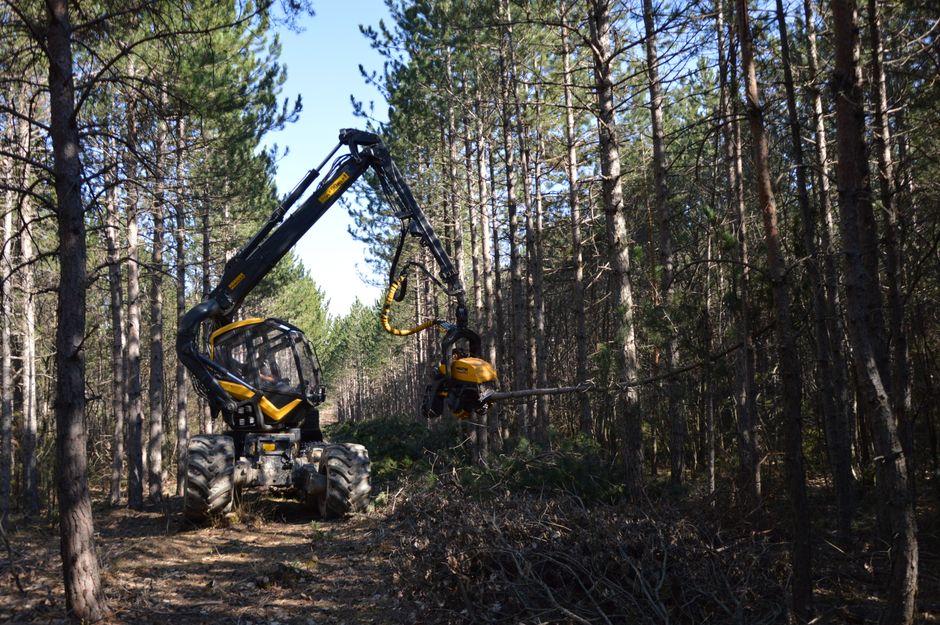
Maintenance activities should be planned in conjunction with forestry operations. For example, when thinning or harvesting, care should be taken to avoid damaging retained corridors. This may involve marking corridors on operational maps and instructing machine operators to avoid them. In some cases, it may be necessary to temporarily close corridors during operations to prevent disturbance, but this should be minimised.
Long-term management also involves considering the impacts of climate change. Species distributions and habitat suitability may shift, and corridors may need to be adjusted to accommodate new conditions. This could include planting tree species that are more resilient to drought or pests, or creating corridors that connect to higher elevations or cooler aspects. Adaptive management, based on monitoring and research, is key to addressing these uncertainties.
Collaboration with stakeholders is another important aspect of long-term management. Neighbouring landowners, conservation groups, and government agencies can all contribute to the maintenance of corridors. In the UK, initiatives such as the Woodland Trust and the Wildlife Trusts work with landowners to enhance connectivity. Partnerships can provide additional resources and expertise, and can help ensure that corridors are managed at the landscape scale.
Finally, it is worth noting that the success of wildlife corridors in managed forests depends on a combination of ecological knowledge, careful planning, and sustained commitment. While there is no guarantee of specific outcomes, following established principles and adapting to local conditions can increase the likelihood that corridors will support wildlife populations. By integrating connectivity into forest management, practitioners can contribute to the conservation of deer, birds, small mammals, and other species, while maintaining the productive use of forests.